Repositioning NASA in the digital media ecosystem @ NASA X Parsons (client engagement)
🚨 How might we tell the story of the expanded opportunity landscape beyond earth in Lower Earth Orbit (LEO) and the evolution of the done on ISS?
Team
3 member sub-group for this strategy. Shruti Kulkarni, Meha Jain, and Yasmeen Masri. Full team included 16 people.
Timeline
5 months, January - May 2025.
What I used
Miro, Figma Slides, Zoom, Excel, & the classic whiteboard.
Role
Pitched ‘GRWM on the ISS’ to NASA, lead team workshops, led & oversaw development of strategy, and presented final deck to stakeholders.
What I did
Literature reviews, stakeholder mapping, media trend analysis, value mapping, & concept prototyping.
NASA stakeholders
Deliverables
Strategic insights deck that communicated key themes, storytelling opportunities, and a scripted framework designed for Instagram and Tiktok. This was publicly launched by NASA on the ISS Instagram.
Process overview
🧐 Research & discovery: background, current state analysis, cultural & media foresight, stakeholder mapping
📣 Define: problem framing, user groups
🖌️ Ideate: ideation on 6 domains, prioritization matrix
🎨 Design & prototype: personas, concept development, high-fidelity prototype, client feedback
🚀 Launch & impact: concept development, launch, and outcomes
The public launch of ‘GRWM on the ISS’ strategy resulted in significant measurable impact:
1.5 million views (2X average)
68.8K likes (6X average)
14.5K shares (16X average)
Background & client engagement
In collaboration with NASA, our team was invited to envision new ways to engage the public with the future of Low Earth orbit (LEO). Our initial engagement focused on understanding the context and client goals shaping the project.
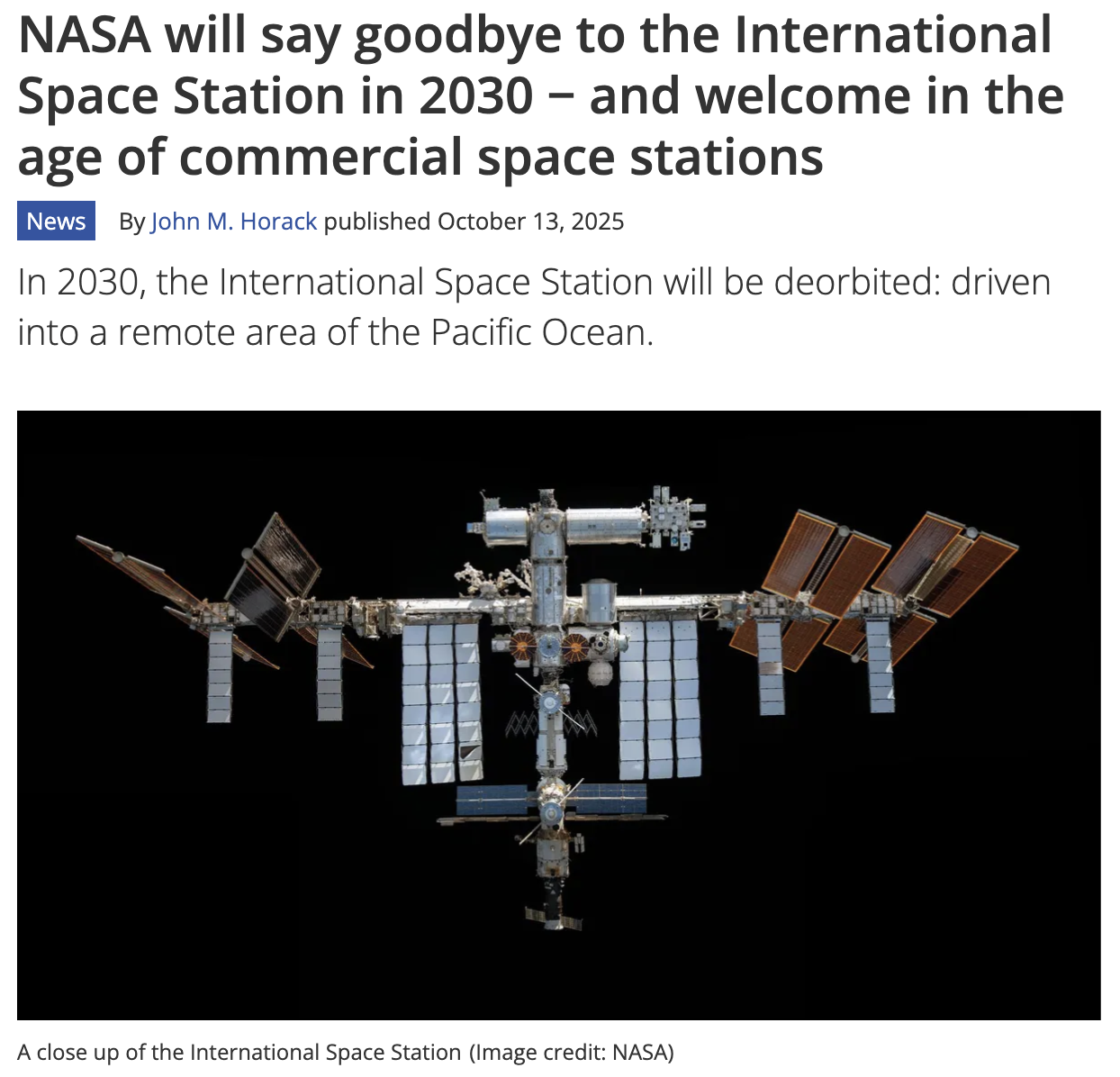
With the planned decommissioning of the International Space Station and the simultaneous rise of commercial activity in Low Earth orbit (LEO), NASA is entering a pivotal moment: how to sustain public interest & trust in space exploration amid shifting infrastructure, private-sector partnerships, and evolving media habits?
This framed our work in a pivotal moment, where storytelling and engagement are not just communicative tools, but strategic necessities.
Current state analysis
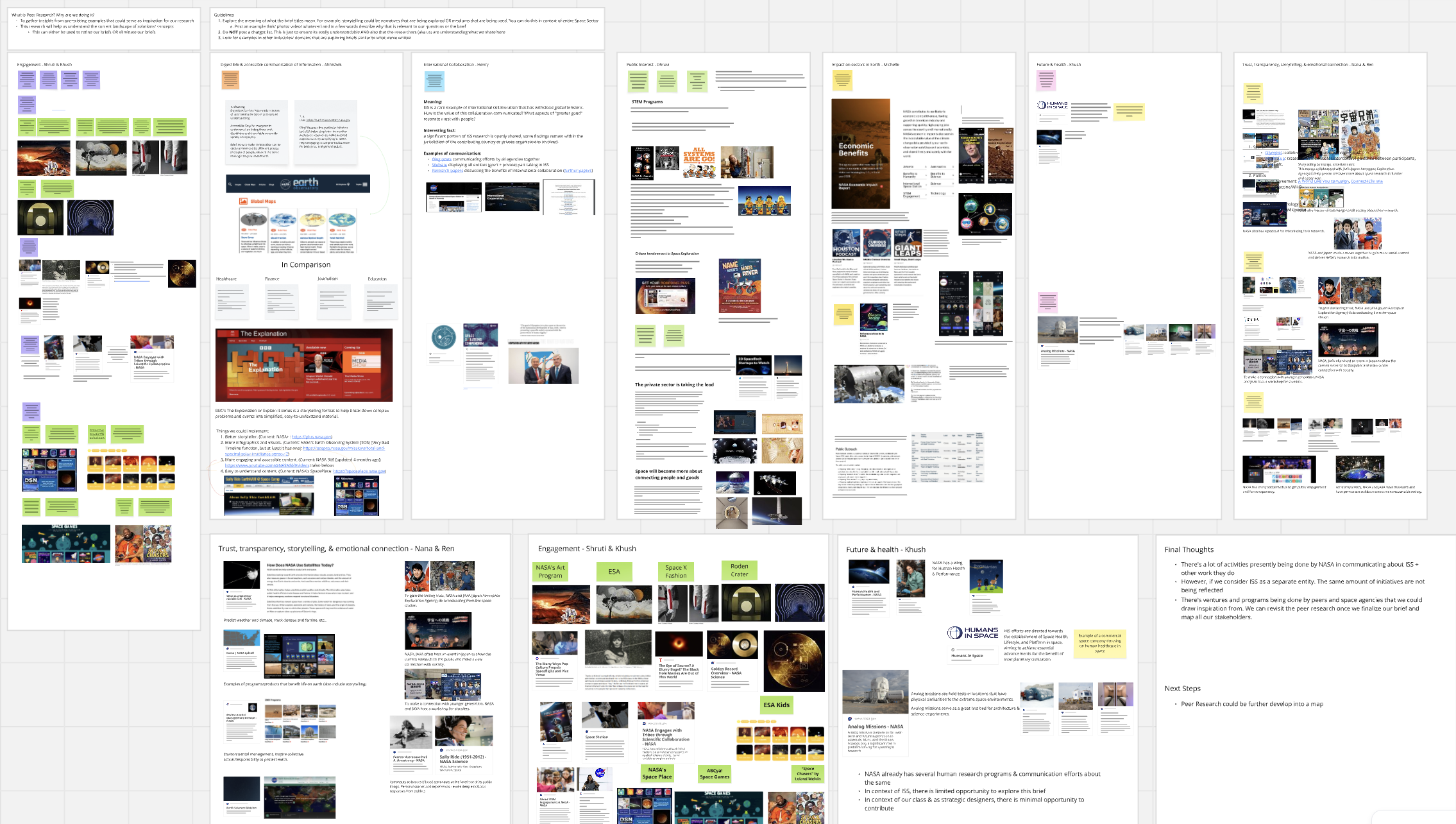
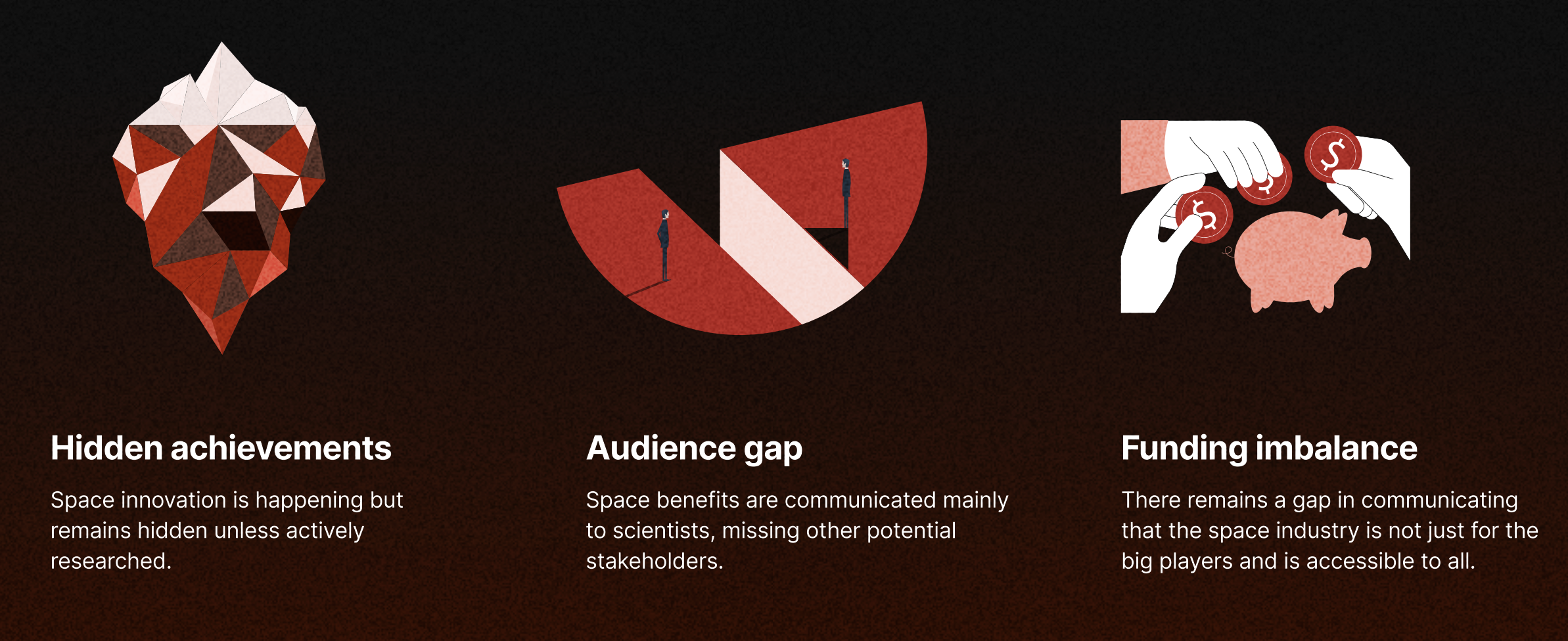
To begin this work, we conducted a comprehensive current-state analysis, reviewing over 40 papers and rigorously testing assumptions around funding flows, audience engagement, and under-recognized achievements. This revealed critical gaps in the communication of achievements, the targeted audience for these communications, and funding gaps.
Trend signals: Understanding shifting media behavior
Our current state analysis revealed a critical audience gap. While the societal benefits of space exploration are vast, they are primarily broadcasted & within scientific circles. This excludes many younger audiences from the conversation. At the same time, broader media signals indicate a generational shift in how information is consumed and trusted.
My media trend research shows that Gen Z increasingly gravitates toward short-form, creator-led, and authentic content formats, favoring trust and conversational storytelling (Sources: emarketer, Collage group, EaseUS).
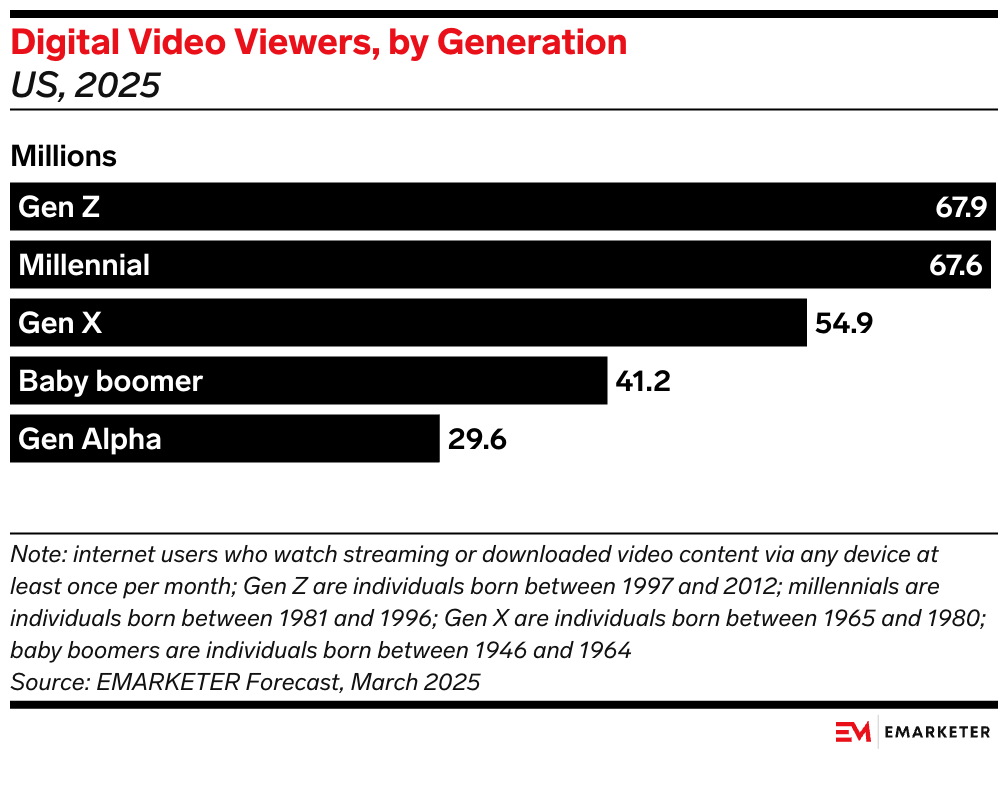
I’ve discovered this key tension: NASA’s communication model remained broadcast & process-driven, while media behavior has shifted toward digital media, process, and human-centered storytelling.
The I recognized opportunity was not to simplify the science, per se, but to translate it into culturally relevant formats that invite broader and younger audiences into the realm of science & space exploration.
Stakeholder mapping
A central part of our process was mapping NASA’s complex ecosystem of stakeholders to understand who influences and is influenced by space exploration.
I led a team workshop to identify primary, secondary, & tertiary stakeholders, as well as a systems map to understand the full ecosystem.
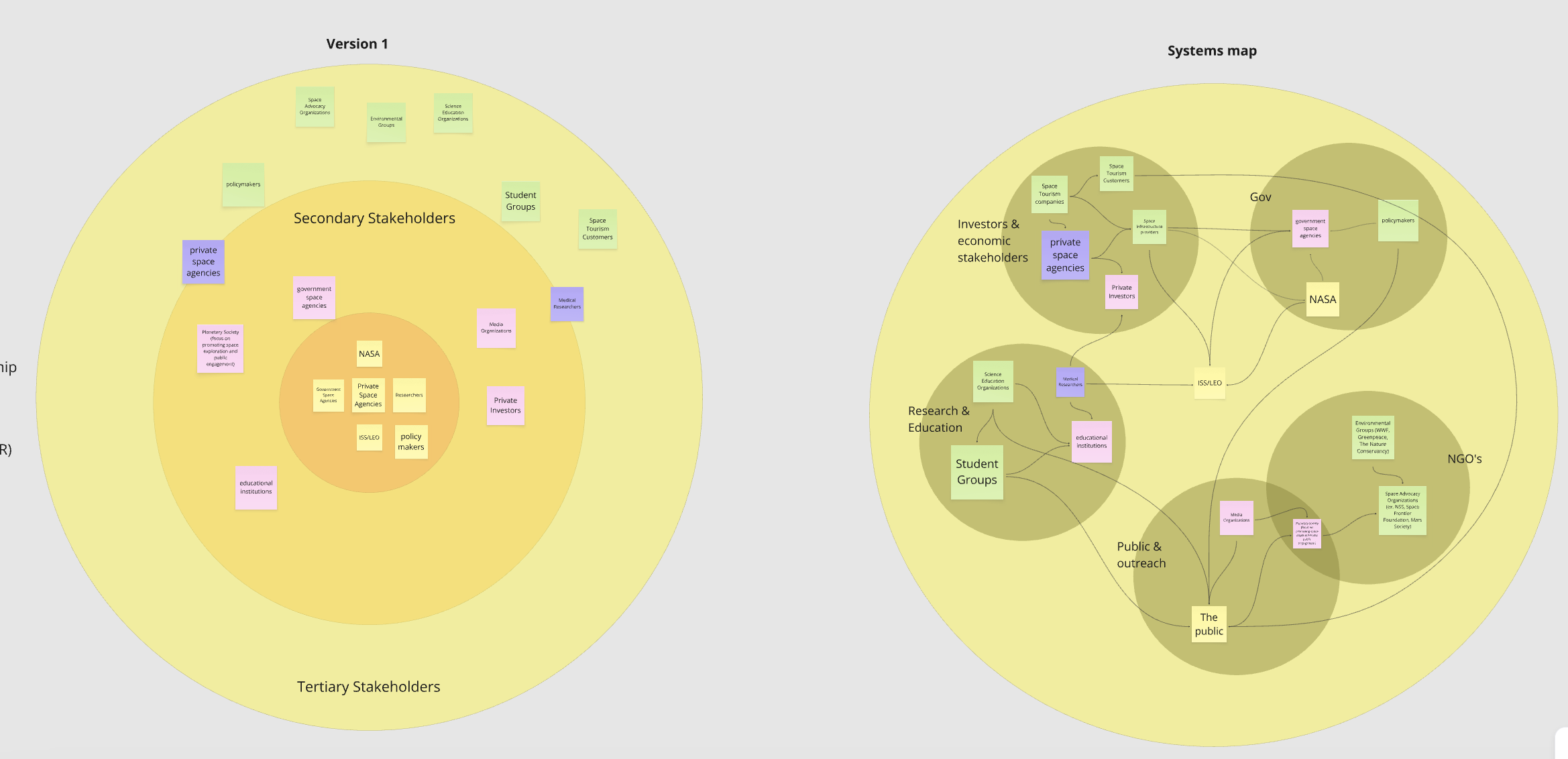
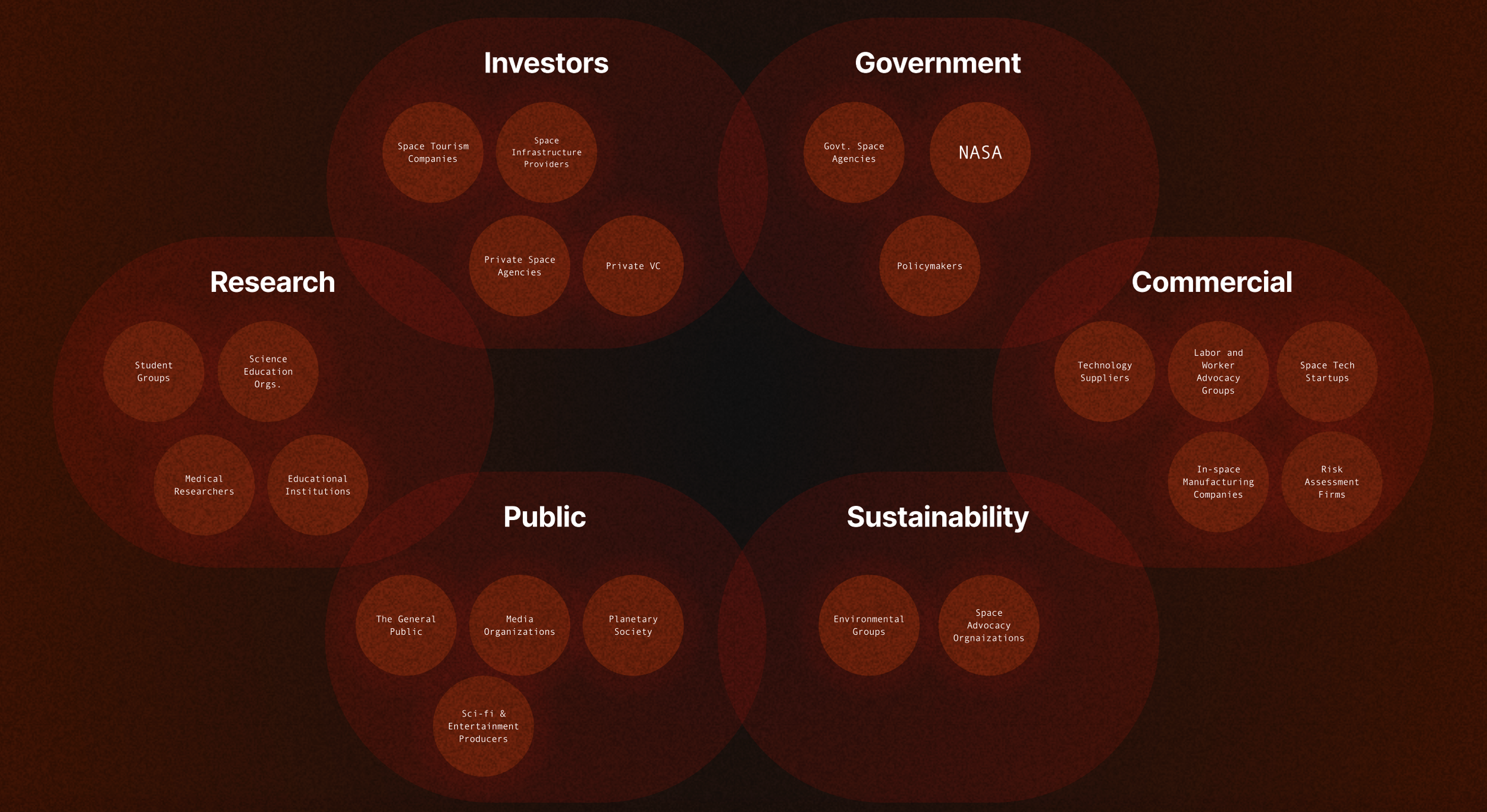
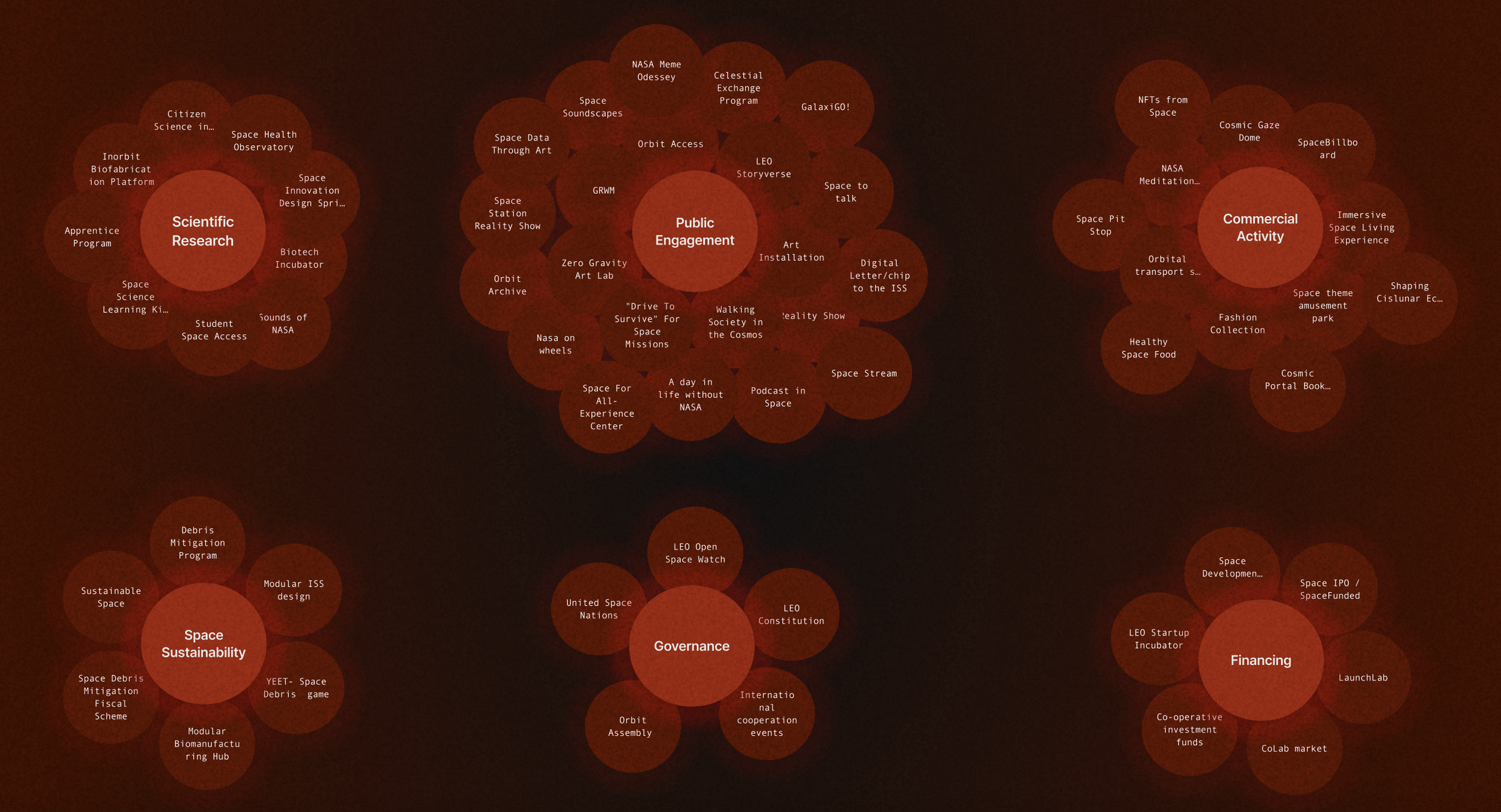
I lead a sub-team of 3 for a stakeholder + systems mapping workshop We then grouped the stakeholders into what emerged to be our six strategic domains: scientific research, public engagement, commercial activity, space sustainability, governance, and financing. This helped clarify the ecosystem and informed targeted design strategies for the six user groups.
Define: who are we designing for?
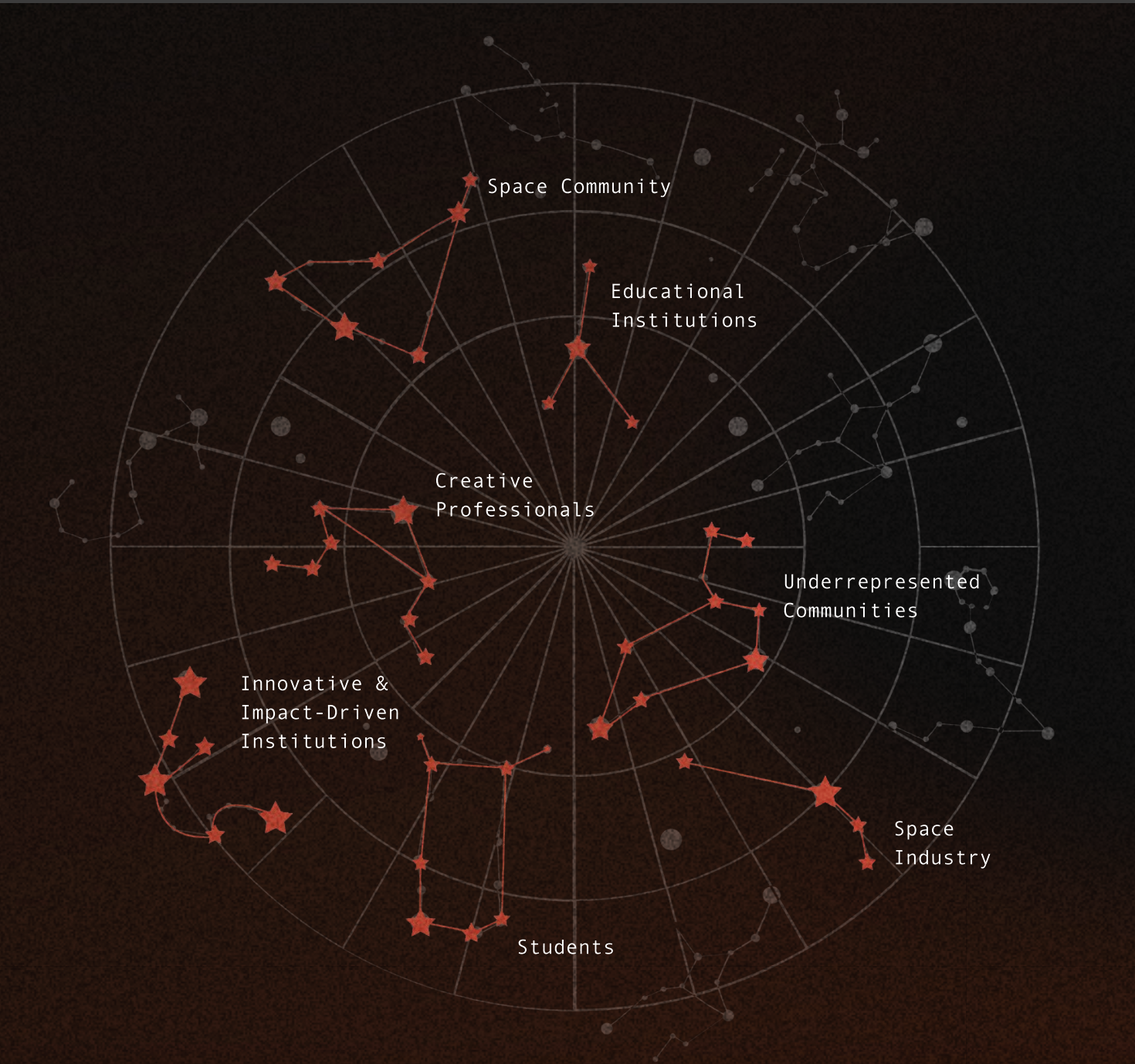
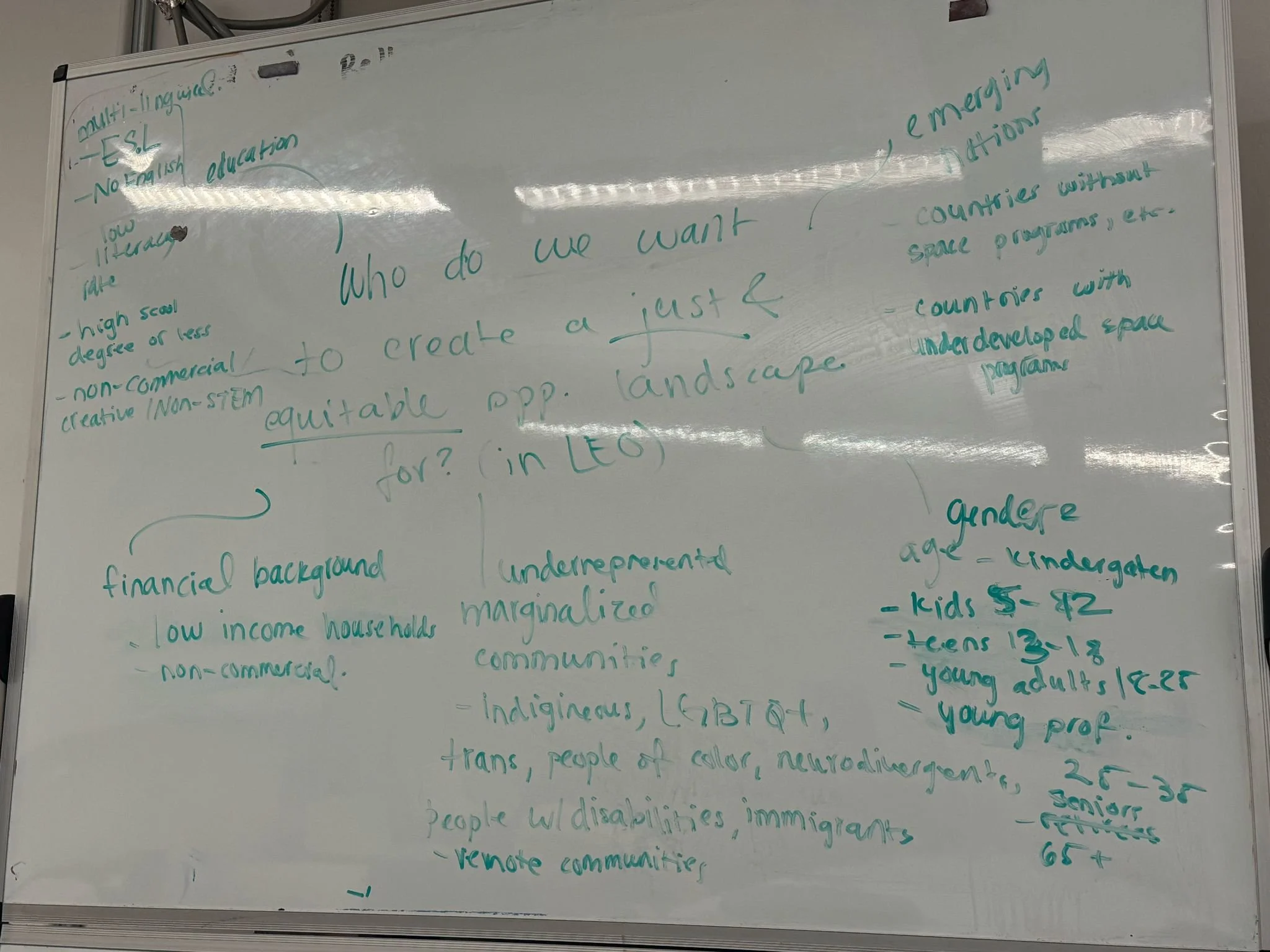
I led a class workshop to help us identify the key audiences who shape, experience, and are impacted by space exploration.
This allowed us to focus ideation on the user groups that mattered most and understand their needs, behaviors, and motivations.
Ideate: My client pitch -> ‘GRWM on the ISS’
Our team of 16 people generated 60+ ideas across the six domains.
As part of this process, I’ve pitched my idea that was focused on leveraging the viral social media “Get Ready With Me” (GRWM), called ‘GRWM on the ISS’.
Converge: Prioritizing for client impact and feasibility
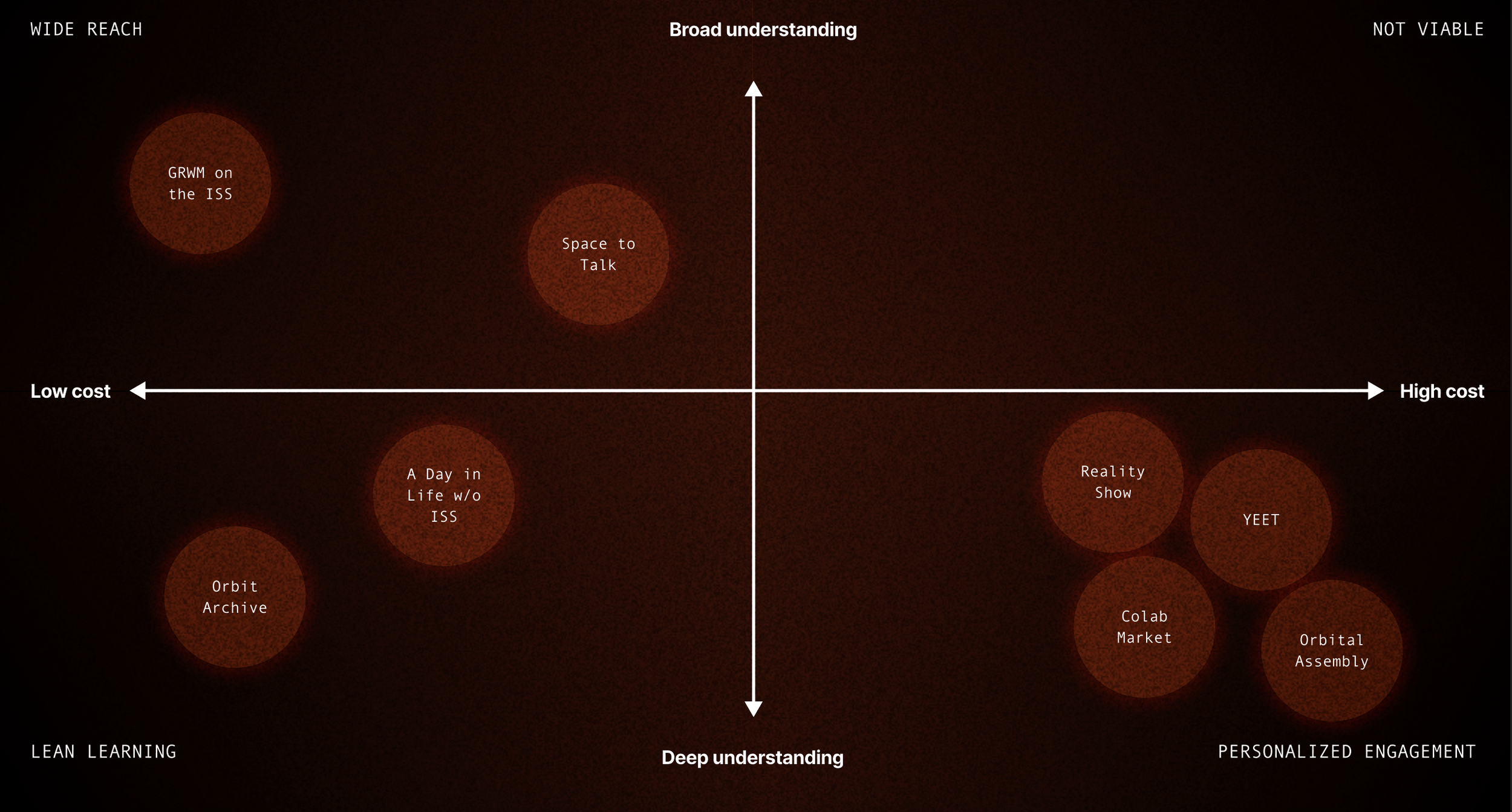
After generating 60+ concepts across six domains, we conducted a prioritization matrix exercise to assess each concept against two critical dimensions:
Audience Understanding & Accessibility: How intuitively could audiences grasp and engage with the idea?
Cost: How expensive would this be to execute within NASA’s existing constraints?
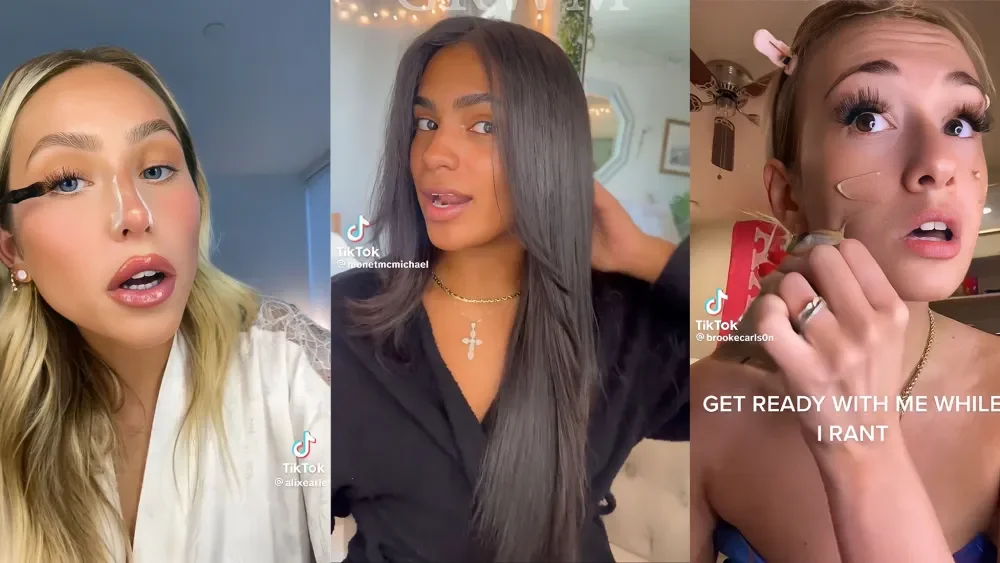
What is ‘Get Ready with Me’ (GRWM)?
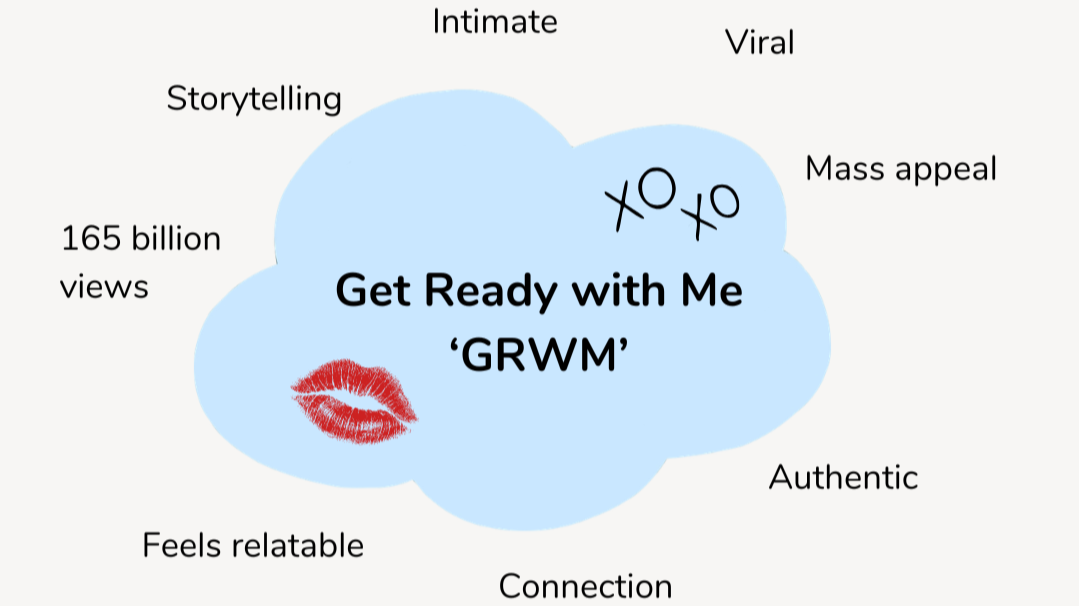
GRWM is a viral social media storytelling trend in which creators narrate their thoughts, routines, or experiences while preparing for their day or an event.
The viral trend that has garnered over 165 billion views (as of 2023) was originally rooted in beauty and lifestyle content, it has evolved into a widely adopted format across industries because of its informal, intimate, and authentic tone.
Vogue on why ‘GRWM’ is a comforting phenomenon.
‘GRWM on the ISS’ digital strategy goals
Through this strategy, we aimed to:
make space exploration exciting and accessible
ensure transparent communication
engage the younger audiences through relatable storytelling & compelling narratives
Before ‘GRWM on the ISS‘
polished broadcast of scientific achievements
final results over process
formal tone & technical language
targets space enthusiasts and scientists
Design: Personas
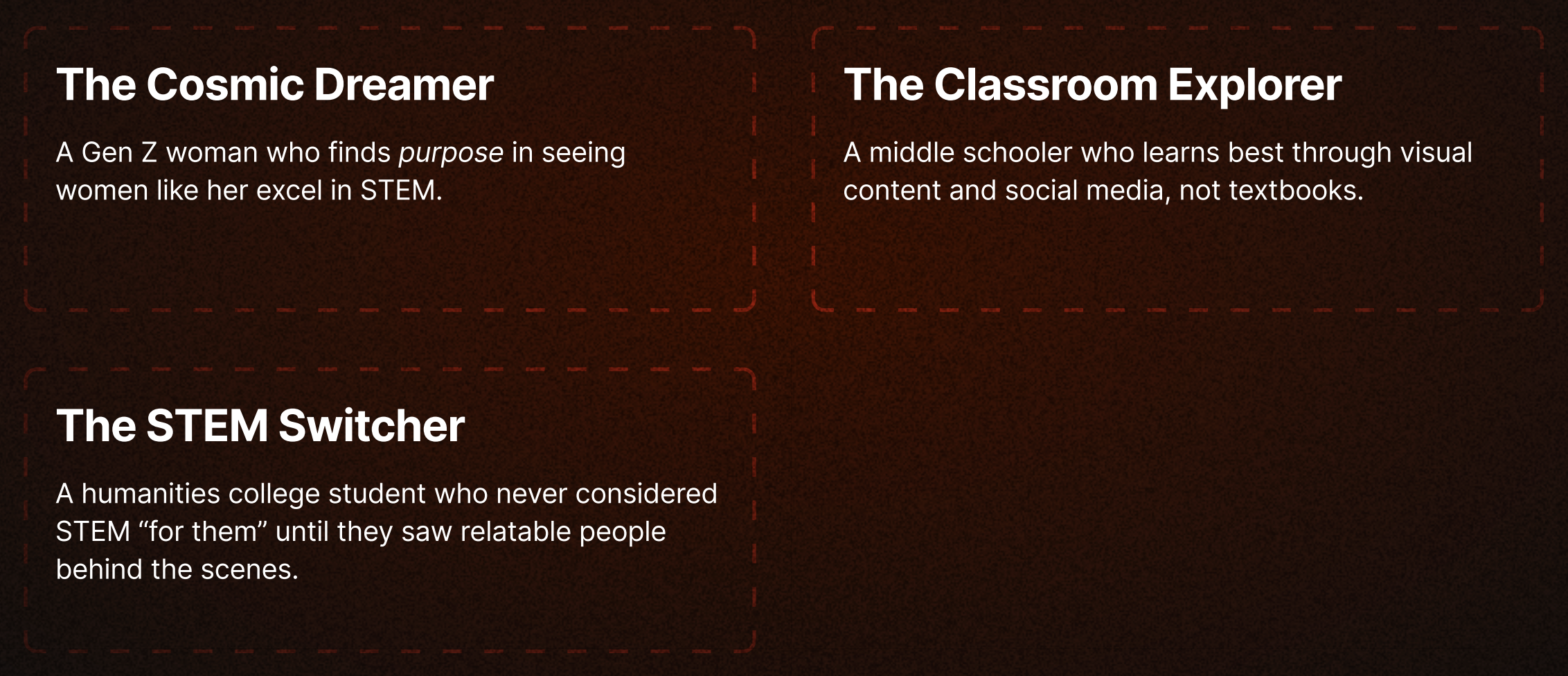
In developing ‘GRWM on the ISS’ concept, we began by defining three core personas and their needs:
Cosmic Dreamer: seeks purpose and emotional connection
Classroom Explorer: seeks digestible learning sources
STEM Switcher: motivated by representation and possibility
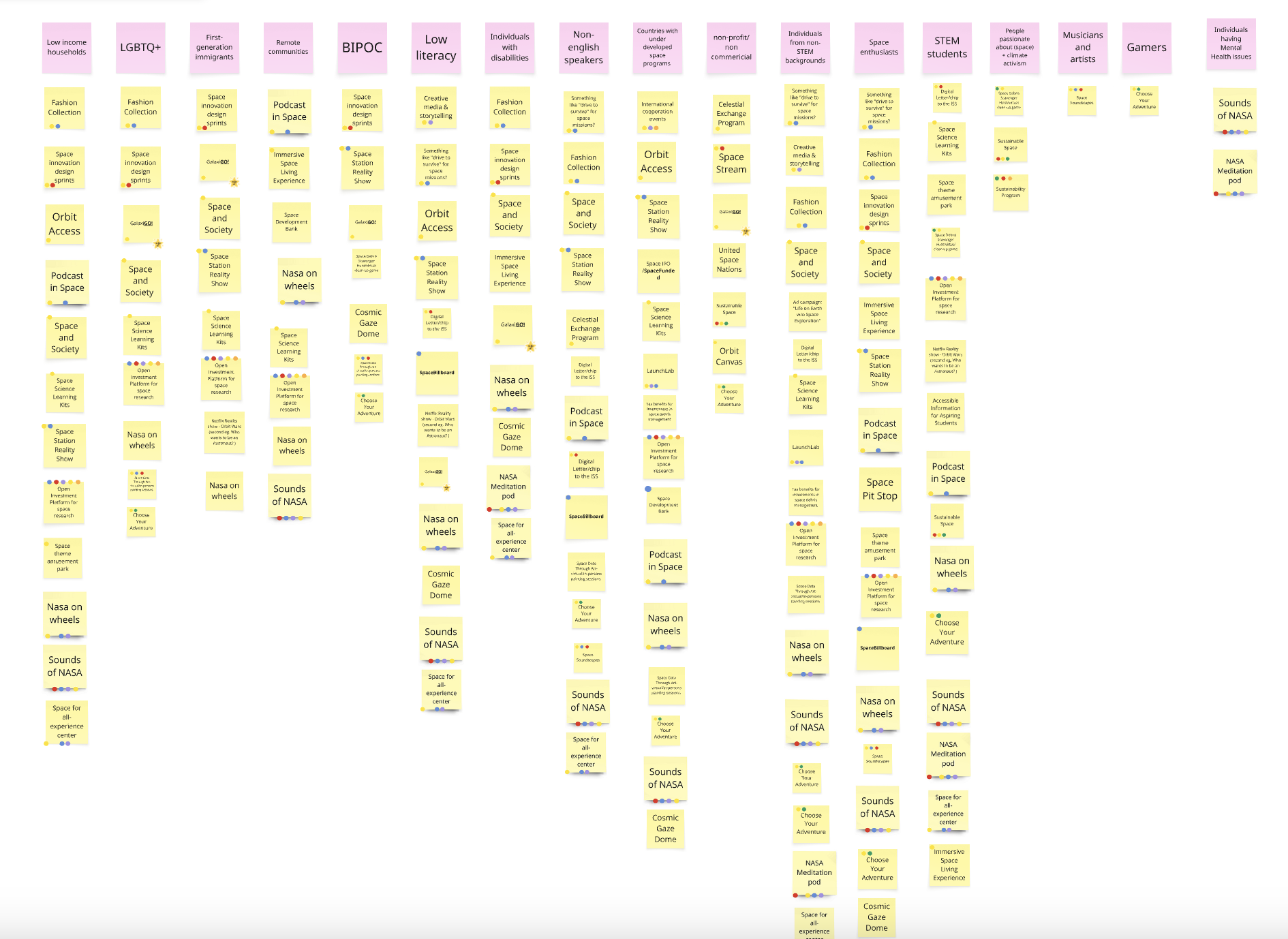
I lead the team of 16 for a workshop My ‘GRWM on the ISS’ concept surfaced in the high-understanding, low-cost quadrant.
By adapting a proven social format, NASA could increase relatability and engagement with minimal additional resources.
This step strengthened the strategic credibility of the concept and ensured client alignment and buy-in.
After ‘GRWM on the ISS‘
behind-the-scenes narration
process through first-person storytelling
conversational tone & no jargons
targets broader younger audiences
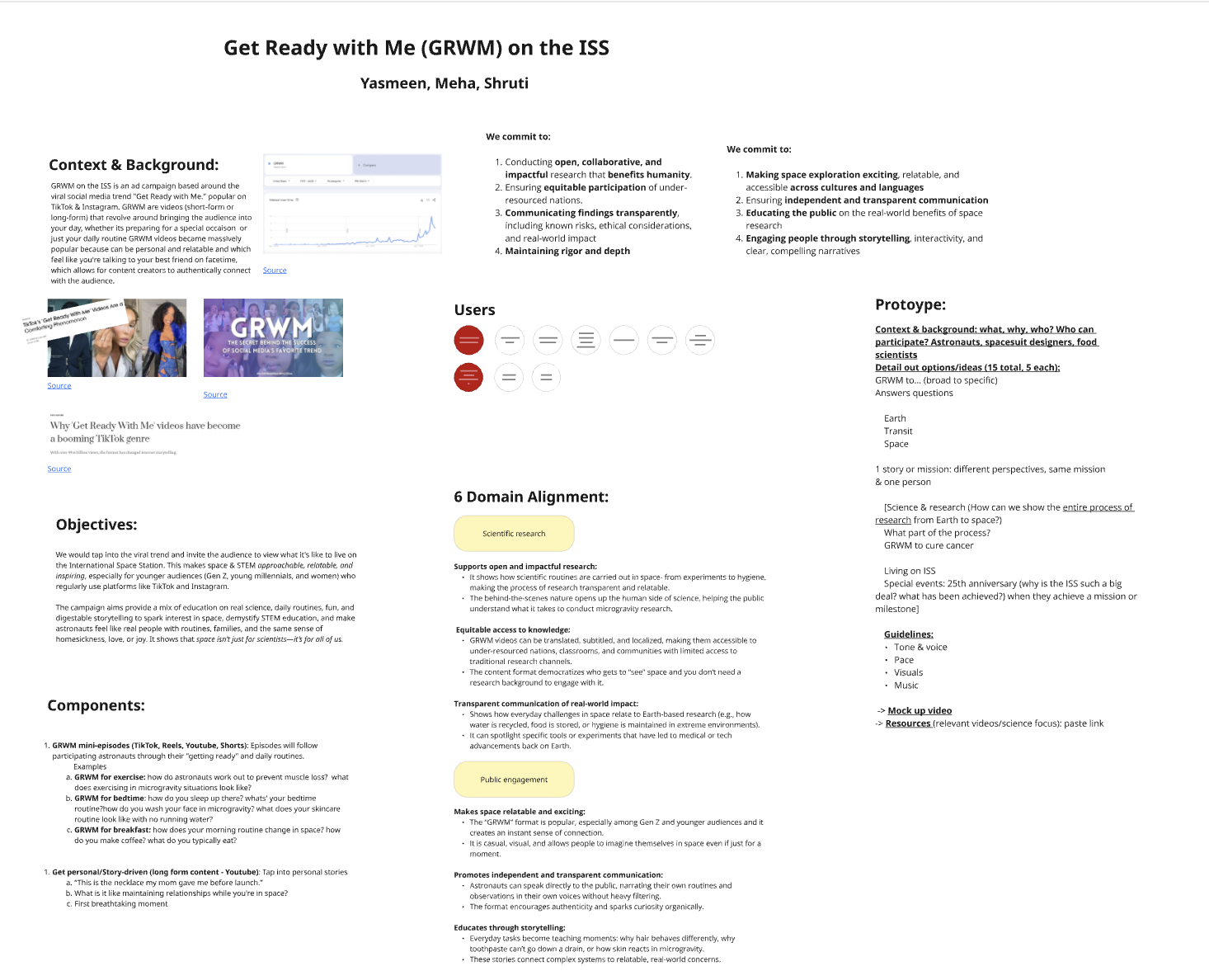
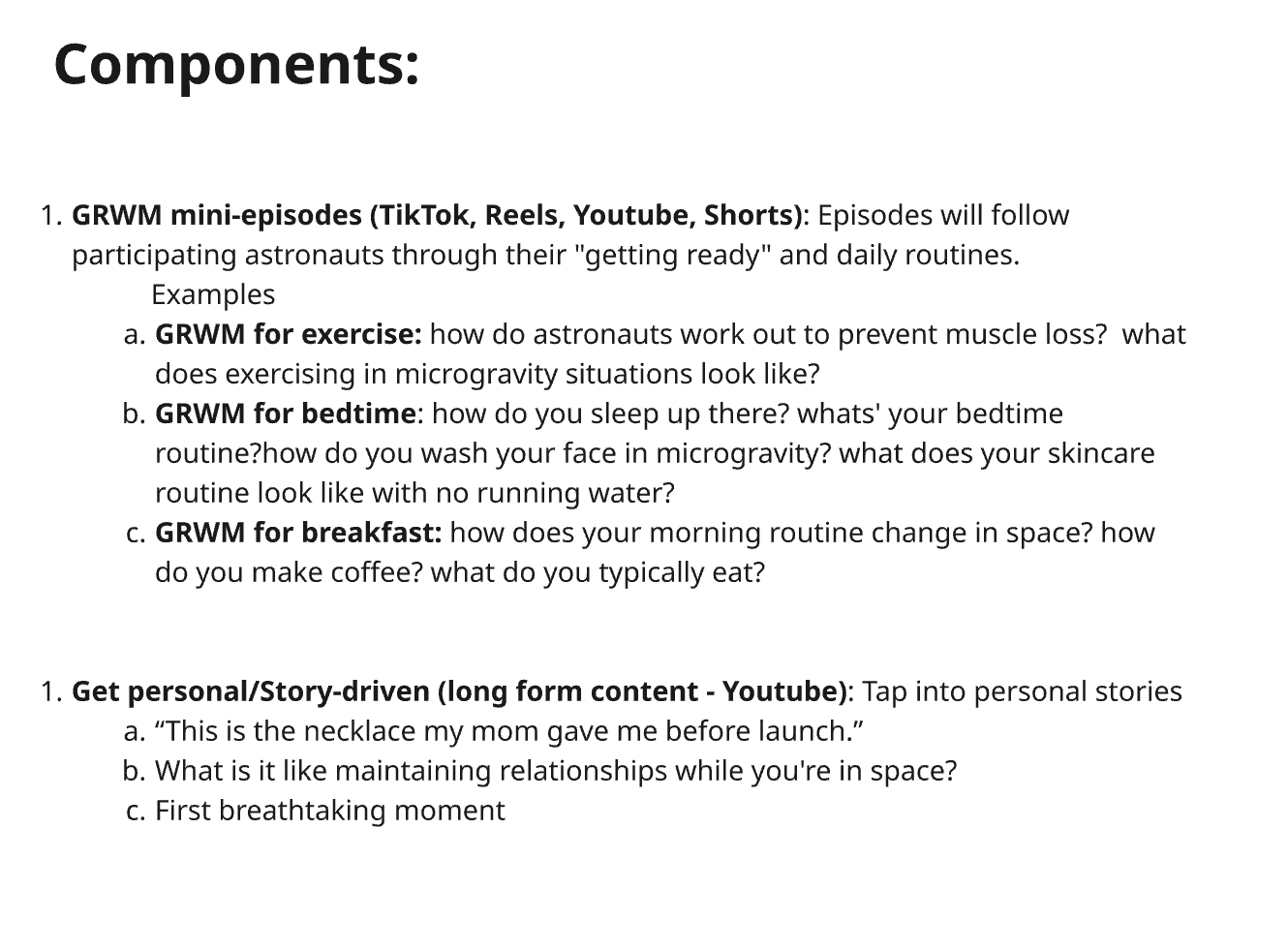
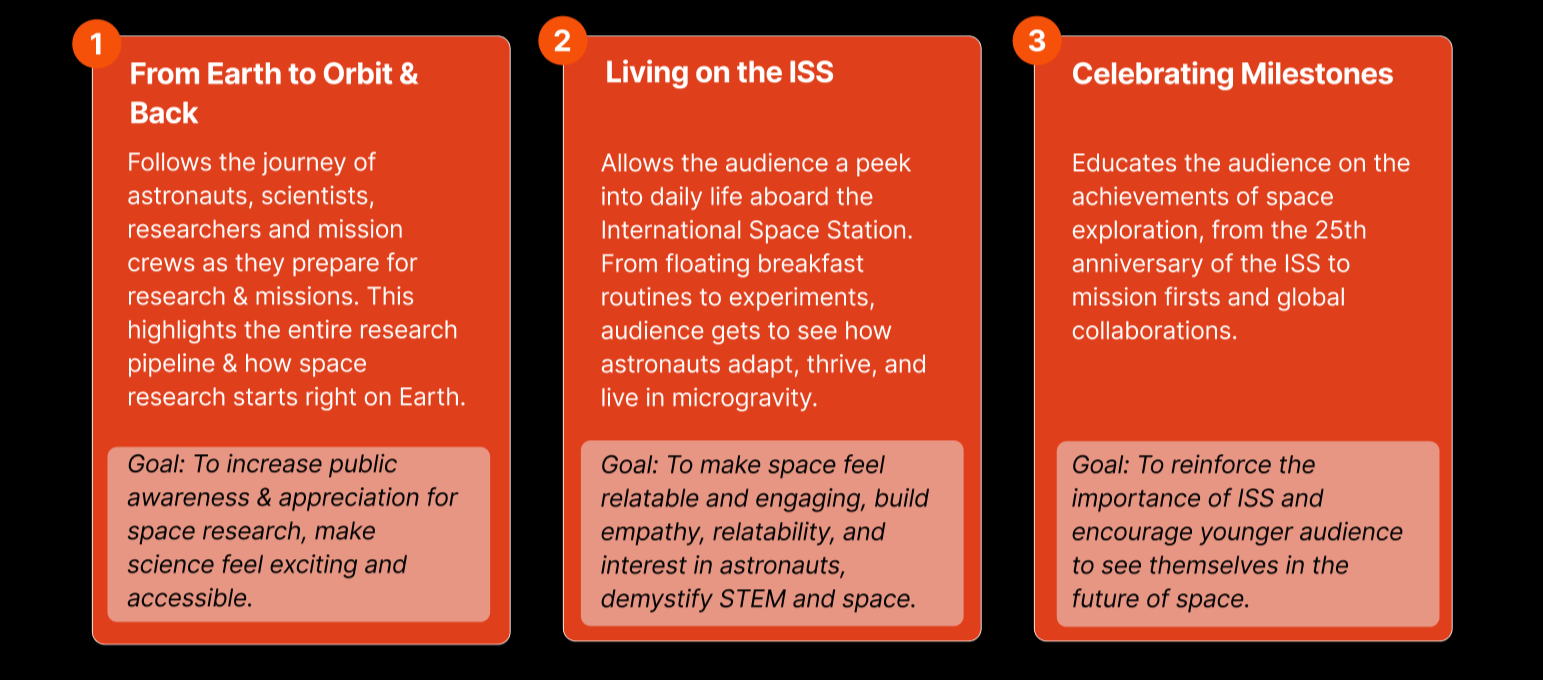
GRWM on the ISS narrative pillars
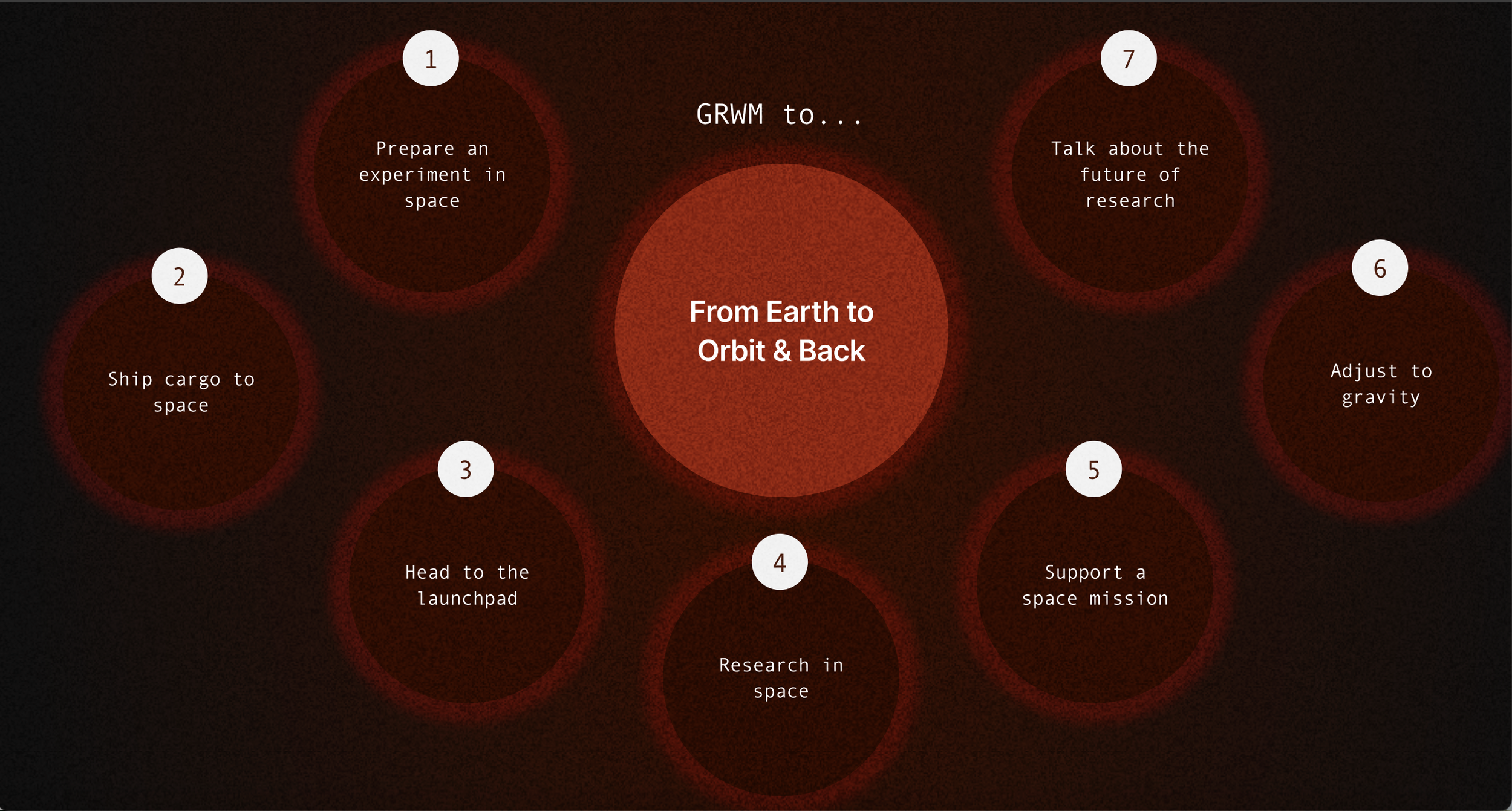
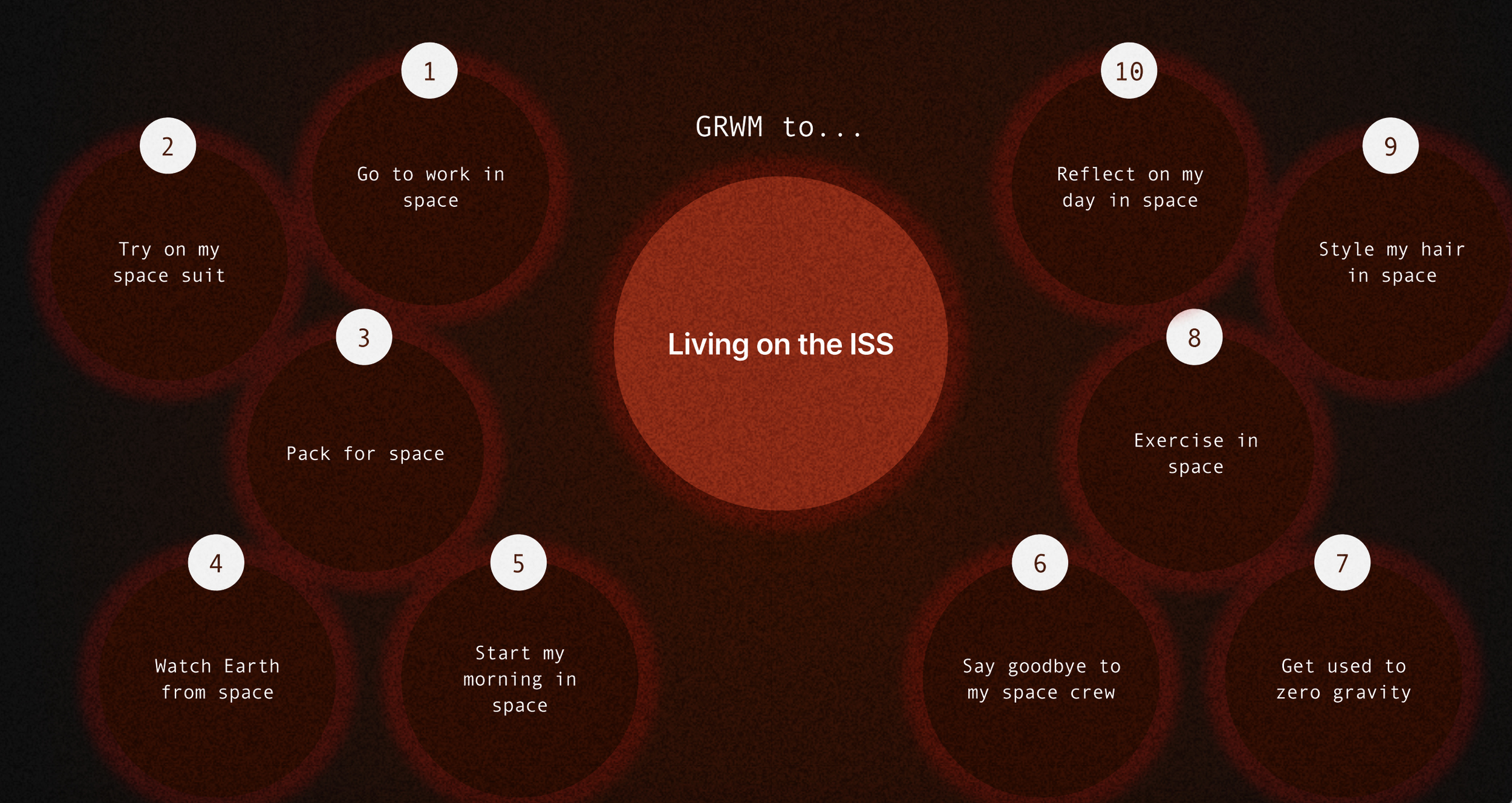
Episode concepts for each pillar
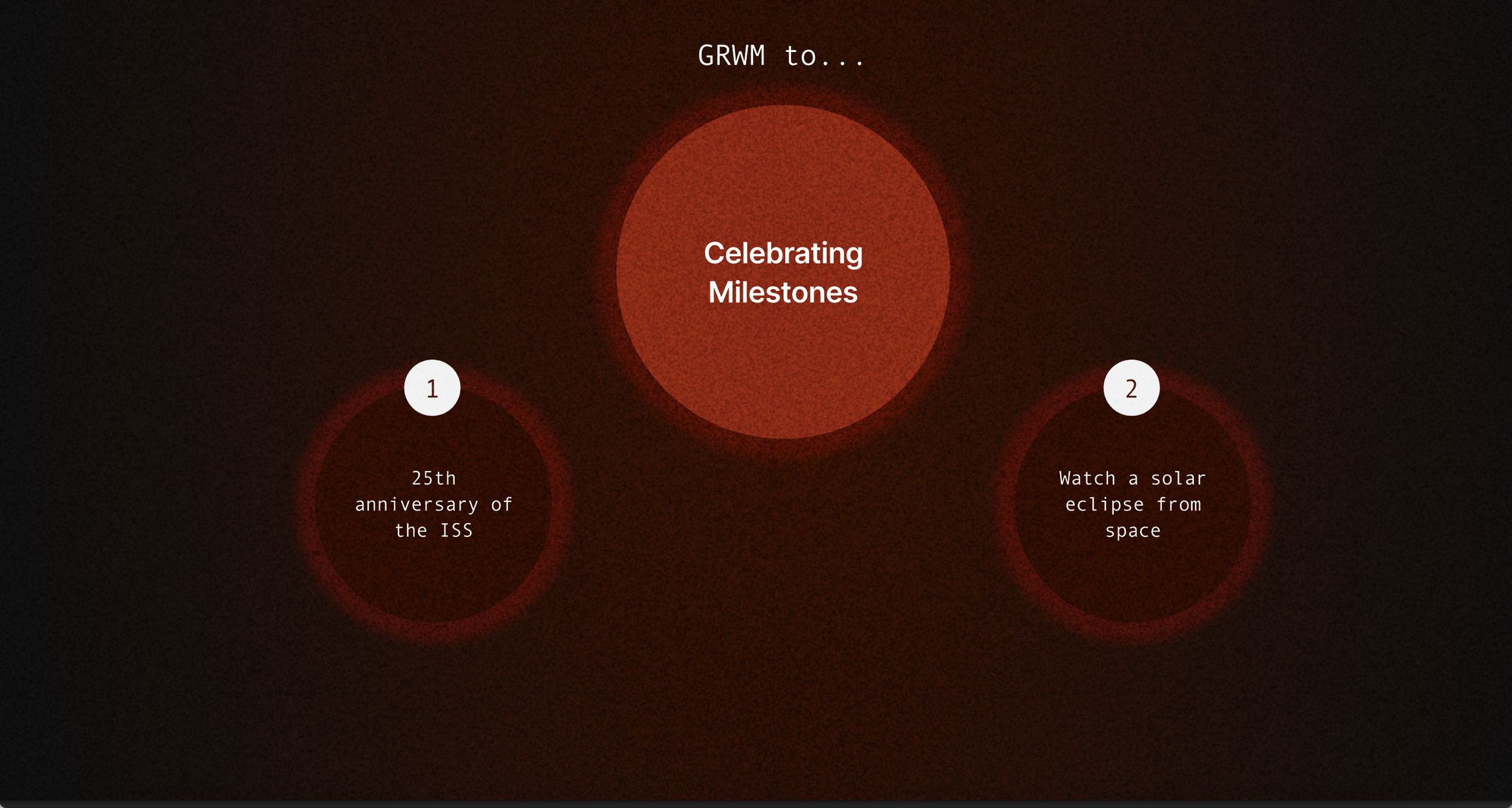
Concept development: How was ‘GRWM’ adapted to NASA?
My concept revolved around reframing NASA’s communication through a process-driven, human-centered storytelling lens, to share the lived experience of astronauts and the research aboard the ISS.
Rather than presenting science as finalized achievement, ‘GRWM on the ISS’ focuses on presenting behind-the-scenes preparation, experimentation, and daily routines, translating complex work into accessible, first-person narratives.
Client engagement for feedback
We began the client session on Zoom with initial questions designed to clarify feasibility, scope, and constraints. We discussed timelines for short-term activation, the types of engagement possible (including astronaut involvement), and how NASA’s existing social channels might support more accessible formats like memes.
After presenting our concepts, including my ‘GRWM on the ISS’, we shifted into gaining feedback on whether our direction aligned with their expectations, how our ideas might integrate into existing communication initiatives, & which user groups struggle most with understanding NASA’s messaging to help us target them further.
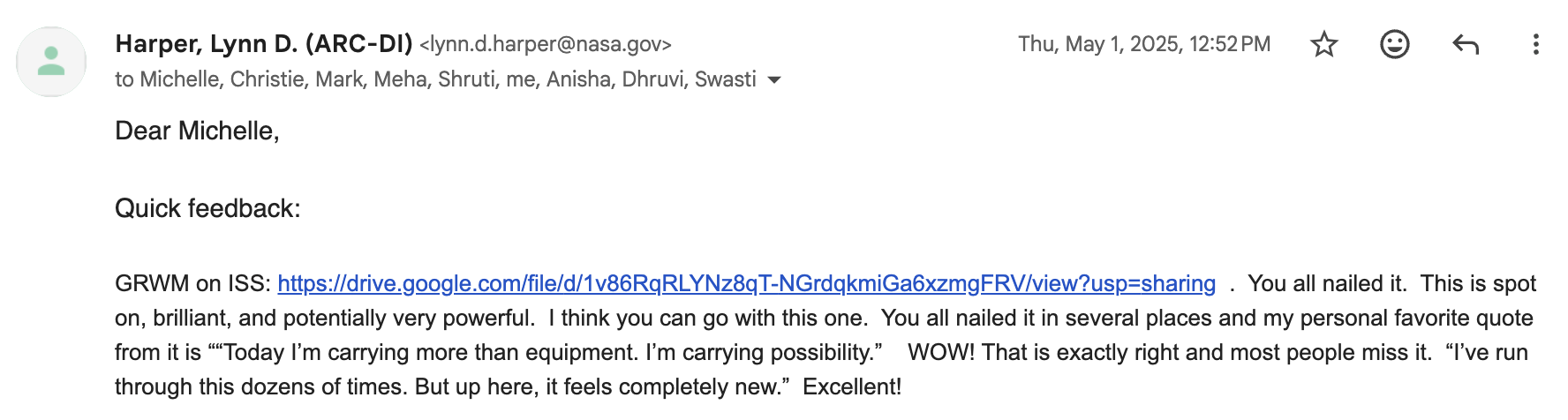
After the initial session on Zoom, we iterated on their feedback and sent them via email. Additional feedback was sent via email above.
High-fidelity prototype
Following client alignment, we moved into high-fidelity prototyping by operationalizing our narrative pillars into fully developed, production-ready episode concepts.
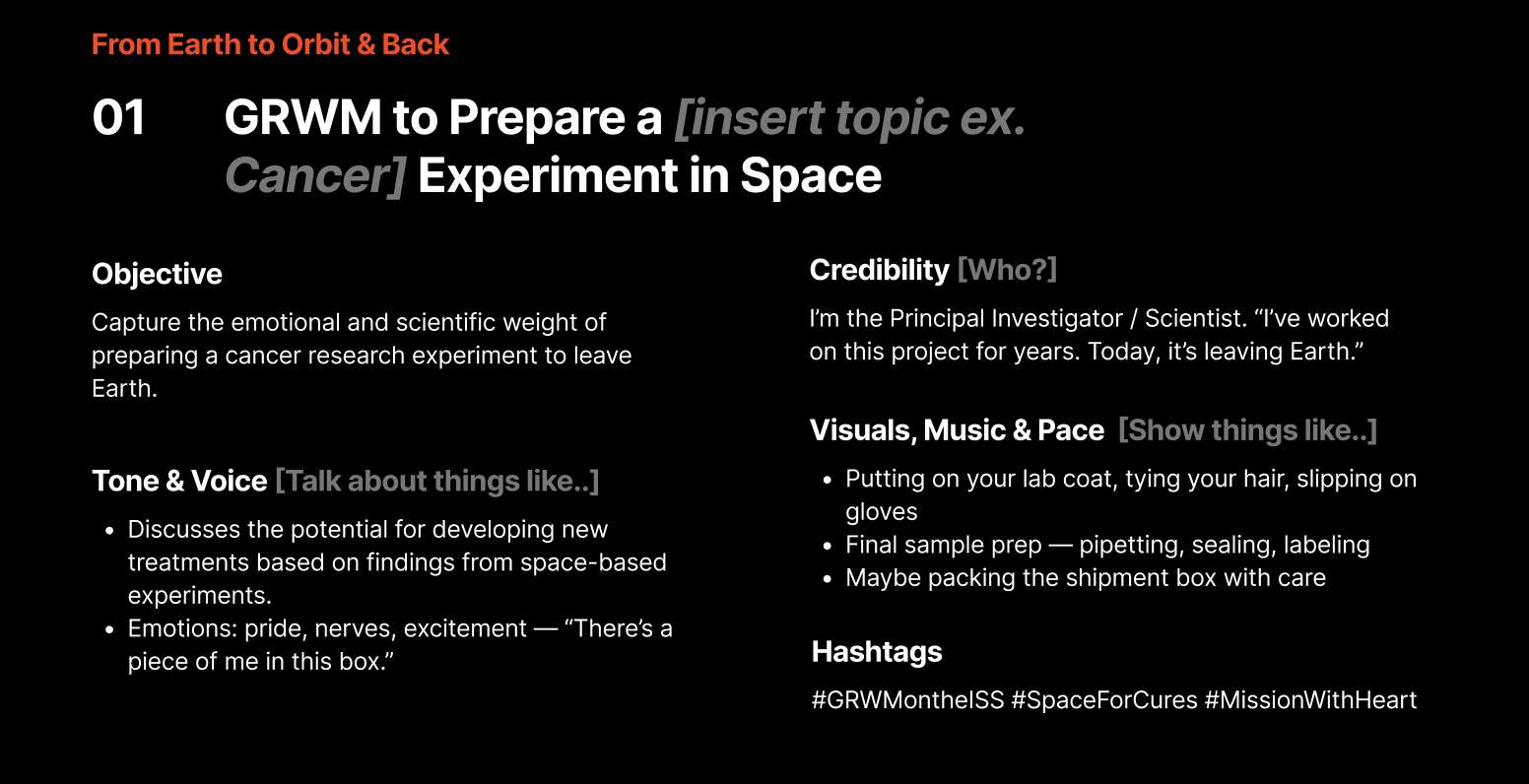
For each of the ~20 episodes, we drafted detailed scripts outlining (example below):
episode objective
tone & voice calibration (balancing credibility with authenticity)
credibility
visual direction, music cues, and pacing aligned with short-form social formats.
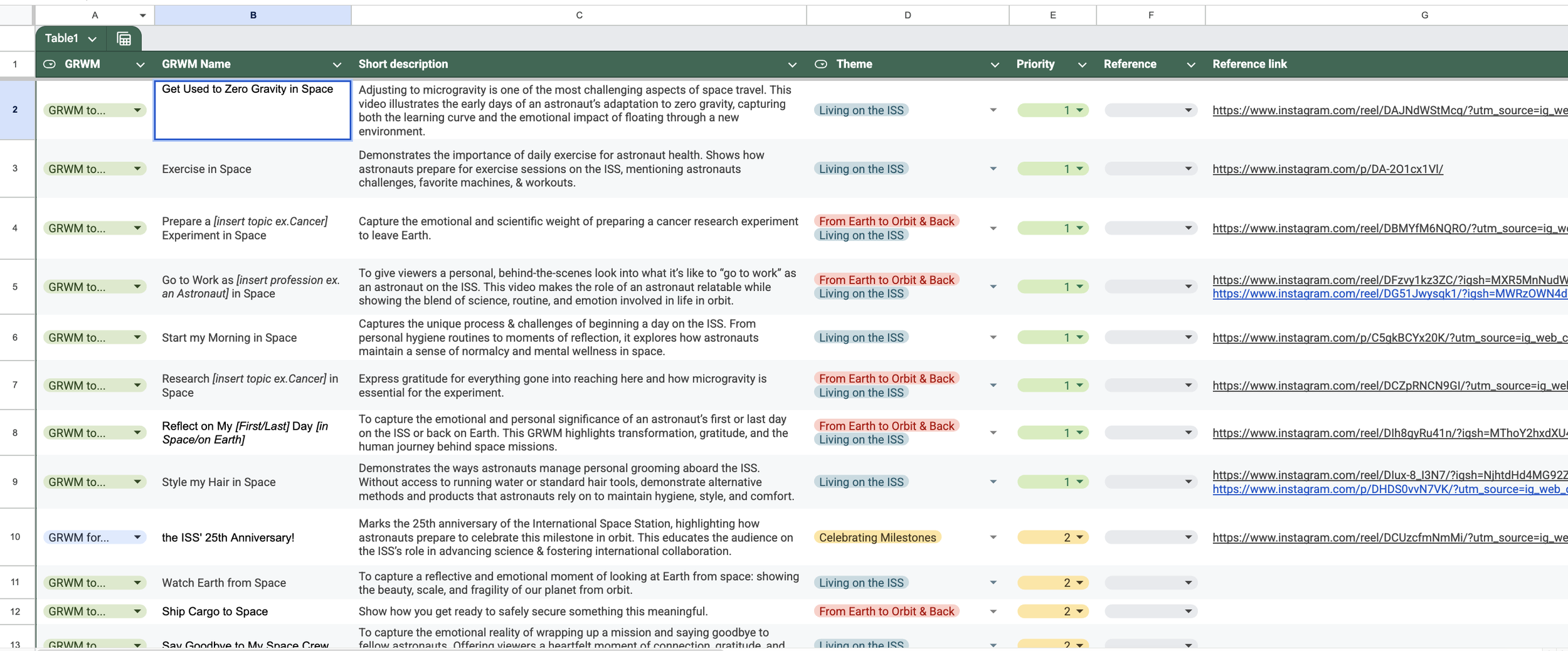
I created an excel sheet to organize all these components into a structured narrative to map continuity, thematic distribution, and scalability across the series. This system allowed us to ensure coherence across episodes while maintaining organization.
The final high-fidelity prototype, produced by my teammate Meha Jain, translated my ‘GRWM on the ISS’ strategy into a tangible experience, demonstrating how the concept would function in real-world execution.
Public launch & outcomes 🚀
I’m pleased to share that my ‘GRWM on the ISS’ was adopted and publicly launched on the ISS’ official Instagram. The videos were met with widespread attention and engagement, capturing both space enthusiasts and casual audiences. By presenting astronauts’ daily routines in a familiar, relatable social media format, we successfully humanized life aboard the ISS, making the realities of space exploration accessible and entertaining.
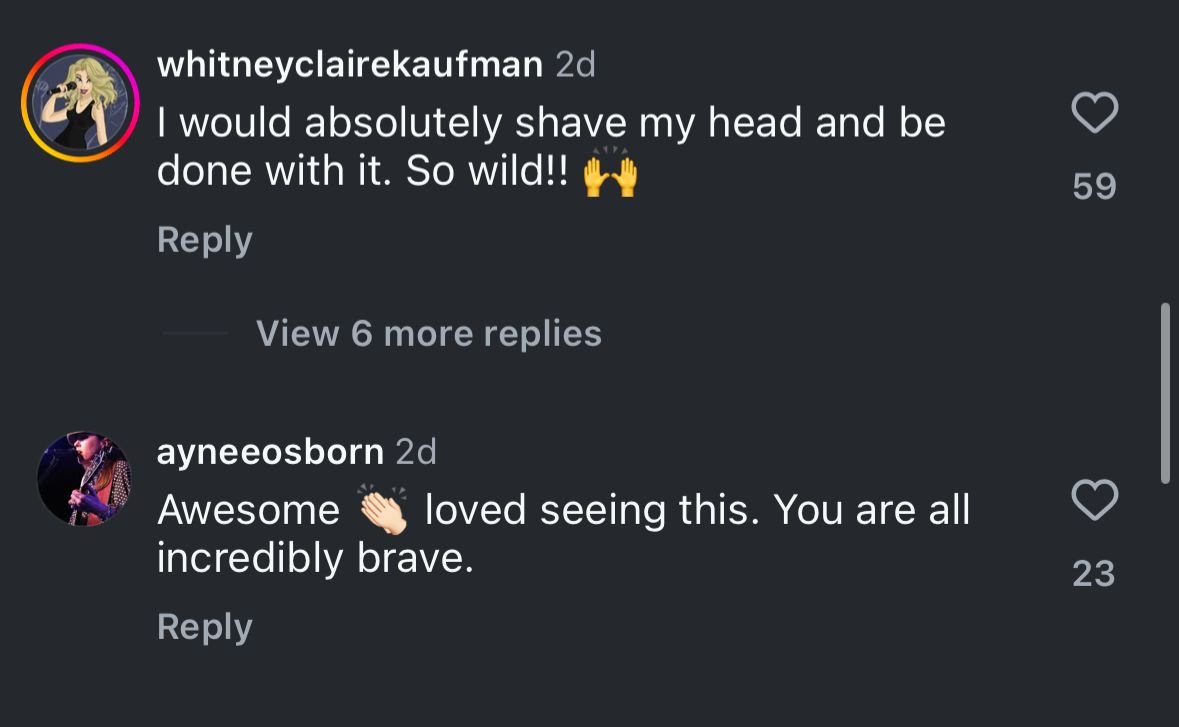
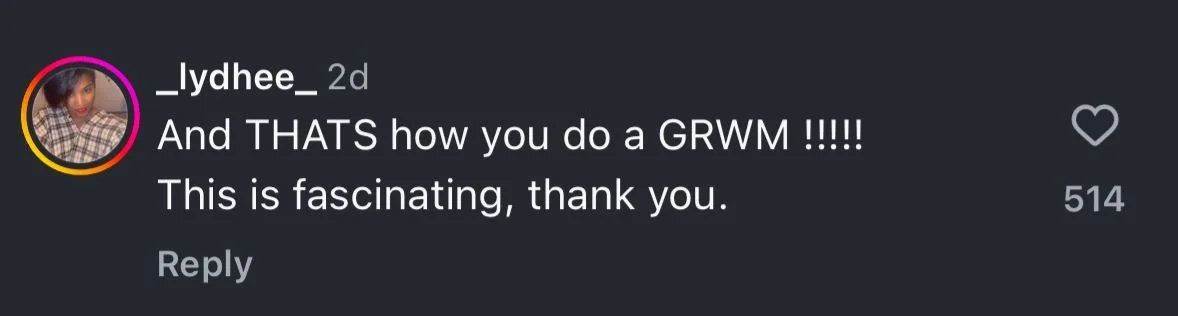
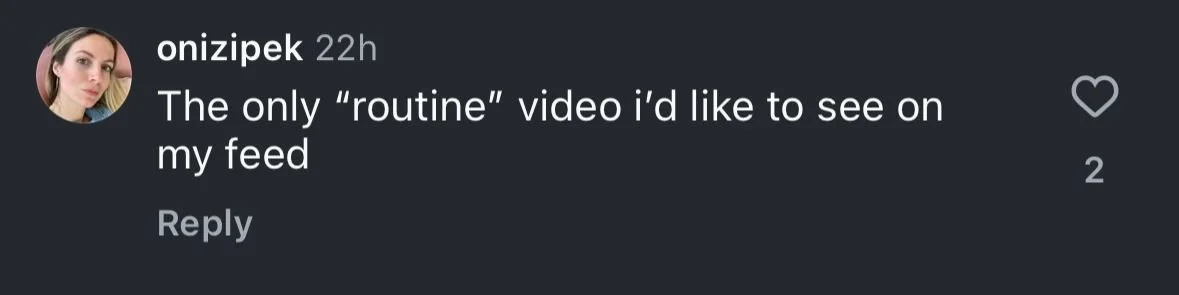

The public launch of the ‘GRWM on the ISS’ performed well with significant measurable impact:
1.5 million views (2X average)
68.8K likes (6x average)
14.5K shares (16x average)